Are You Actually Hungry? The First Question to Ask
I remember the night I ate a full turkey sandwich at 11 PM because I was “starving.” I woke up two hours later with heartburn and a racing heart. The sandwich wasn’t the problem – my judgment was. I wasn’t hungry. I was bored, tired, and scrolling my phone. That mistake taught me the most important rule of nighttime eating: before you think about what to eat, ask yourself if you should eat at all.
If you’re genuinely hungry – your stomach is growling, you feel empty, and you haven’t eaten in hours – then yes, you should eat something small before bed. Going to bed hungry can make it harder to fall asleep and can cause you to wake up in the middle of the night. But if you’re eating out of habit, stress, or because you’re watching TV, a snack won’t help – it will only add calories and potentially disrupt your sleep.
The key is to distinguish true hunger from a craving. True hunger builds gradually, can be satisfied with almost any food, and doesn’t disappear when you drink a glass of water. A craving is specific (you want something sweet or salty), comes on suddenly, and often passes if you wait 10 minutes. If you’re not sure, drink a glass of water and wait 15 minutes. If you’re still hungry, then it’s real.
Most people don’t realize that eating before bed isn’t inherently bad. The problem is eating the wrong foods, in the wrong amounts, at the wrong time. A small, balanced snack can actually improve sleep quality by stabilizing blood sugar and providing the building blocks for melatonin production.
So the first question is not “what should I eat?” but “am I actually hungry?” If the answer is no, close the kitchen. If yes, then read on.
The 3:2:1 Rule: What It Really Means and How to Use It
You’ve probably heard of the 3:2:1 rule for eating before bed. It’s a simple guideline: stop eating large meals 3 hours before bed, stop eating moderate meals 2 hours before bed, and stop eating small snacks 1 hour before bed. The idea is to give your digestive system enough time to process food so that it doesn’t interfere with sleep.
But here’s the thing nobody tells you: the 3:2:1 rule is a starting point, not a law. It works well for people with normal digestion, but it fails for others. For example, if you have acid reflux, you might need to stop eating even earlier – 4 hours before bed – because lying down with a full stomach makes reflux worse. On the other hand, if you have low blood sugar or diabetes, you might need a small snack right before bed to prevent a nighttime drop.
The rule also assumes you’re eating a typical Western diet. A heavy, fatty meal takes longer to digest than a light, plant-based one. So the 3-hour window is a safe average, but you need to adjust based on what you ate and how your body responds.
Here’s a more practical way to think about it:
- Large meal (600+ calories): Stop 3-4 hours before bed. This includes dinner, a big bowl of pasta, or a restaurant meal.
- Moderate meal (300-500 calories): Stop 2-3 hours before bed. This is a typical home-cooked dinner.
- Small snack (150-250 calories): Stop 1-2 hours before bed. This is a handful of almonds, a banana, or a small yogurt.
If you’re someone who gets hungry at 10 PM and goes to bed at 11, a small snack is fine. But if you’re eating a full meal at 10 PM, you’re setting yourself up for a restless night. The 3:2:1 rule is a useful framework, but it’s not a one-size-fits-all prescription. You have to listen to your body.
Best Foods for Sleep: Beyond the Generic List
When people ask “what is the best food to eat before bed?” they usually expect a list: turkey, cherries, almonds, kiwi, chamomile tea. Those are all good options, but they’re not the whole story. The best food for you depends on your body type, your sensitivities, and your reason for eating.
Let’s start with the science. Sleep-promoting foods work through a few mechanisms:
- Tryptophan: An amino acid that your body converts into serotonin and then melatonin. Found in turkey, chicken, eggs, cheese, and nuts.
- Magnesium: A mineral that relaxes muscles and calms the nervous system. Found in almonds, spinach, pumpkin seeds, and dark chocolate.
- Complex carbohydrates: They help tryptophan cross the blood-brain barrier. Found in oats, whole grains, and sweet potatoes.
- Melatonin: A hormone that regulates sleep. Found in tart cherries, grapes, and some nuts.
But here’s the catch: eating a huge plate of turkey and potatoes won’t make you sleep better. In fact, it might make you feel worse. The key is portion size and pairing. A small snack that combines a complex carb with a protein source is ideal. For example:
- A small bowl of oatmeal with a sliced banana and a sprinkle of cinnamon
- A handful of almonds (about 15) and a small piece of whole-grain toast
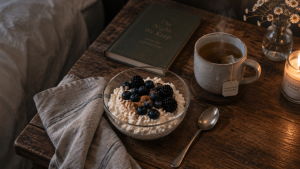
- A small cup of plain Greek yogurt with a few berries
- A slice of whole-grain bread with a thin layer of almond butter
These snacks are under 250 calories, easy to digest, and provide the right nutrients without overloading your system. But they’re not the only options. If you have specific dietary needs or preferences, you can adapt.
For example, if you’re lactose intolerant, skip the yogurt and go for a small bowl of rice with a bit of honey. If you’re gluten-sensitive, choose gluten-free oats or a rice cake with nut butter. The principle is the same: a small, balanced snack that includes a complex carb and a protein or healthy fat.
One thing I’ve learned from working with clients is that the “best” food is the one you can actually digest without discomfort. Some people can eat a kiwi before bed and sleep like a baby. Others get acid reflux from the acidity. You have to experiment and find what works for you.
What to Avoid Before Bed: The Usual Suspects and Hidden Ones
Now let’s talk about what to avoid. The obvious culprits are caffeine, alcohol, and spicy foods. But there are hidden ones that surprise people.
Caffeine: This one is well-known, but the timing matters more than you think. Caffeine has a half-life of about 5-6 hours, meaning if you drink a coffee at 4 PM, half of the caffeine is still in your system at 9-10 PM. So it’s not just about avoiding coffee after dinner. You should also be careful with tea, chocolate, and even some medications. If you’re sensitive to caffeine, stop all sources by early afternoon.
Alcohol: Many people think a nightcap helps them sleep. It does make you drowsy, but it disrupts the second half of your sleep cycle, leading to fragmented, less restorative sleep. Alcohol also relaxes the esophageal sphincter, which can trigger acid reflux. If you drink, do it at least 3 hours before bed and keep it to one serving.
Spicy foods: Capsaicin, the compound that makes food spicy, can raise your core body temperature and cause heartburn. If you love spicy food, have it at lunch, not dinner.
High-fat and fried foods: These take longer to digest and can cause discomfort, bloating, and acid reflux. A heavy burger or fried chicken at 9 PM is a recipe for a bad night.
Sugary foods: A bowl of ice cream or a candy bar spikes your blood sugar, then crashes it, which can wake you up in the middle of the night. If you want something sweet, choose a small piece of dark chocolate (70% or higher) or a few cherries.
But here’s the hidden one: acidic foods. Tomatoes, citrus fruits, and even some berries can trigger reflux in people who are prone to it. If you have GERD or frequent heartburn, you might need to avoid these even in small amounts. Similarly, carbonated drinks can cause bloating and pressure on the stomach.
Another hidden one: large amounts of water. While hydration is important, drinking a big glass of water right before bed will make you wake up to pee. Aim to finish your last big drink 1-2 hours before bed, and only take small sips if you’re thirsty.
The bottom line: avoid anything that causes you personal discomfort. If you know that a certain food gives you heartburn or indigestion, don’t eat it at night, no matter how “healthy” it is.
Personalizing for Your Body Type: Reflux, Blood Sugar, and More
Now we get to the part that most articles miss: individual variability. Your body is not like everyone else’s. What works for your friend might not work for you. Here are the three most common conditions that affect nighttime eating.
Acid Reflux and GERD
If you have acid reflux, you need to be extra careful. The lower esophageal sphincter (LES) is a muscle that keeps stomach acid from flowing back up. When you lie down, gravity no longer helps keep acid down. So anything that relaxes the LES or increases stomach pressure can trigger reflux.
Foods that relax the LES include fatty foods, chocolate, caffeine, alcohol, and peppermint. Foods that increase stomach pressure include large meals, carbonated drinks, and spicy foods. If you have reflux, you should:
- Eat your last meal at least 3-4 hours before bed.
- Keep snacks small – under 150 calories.
- Avoid acidic foods like tomatoes, citrus, and vinegar.
- Choose low-fat, low-acid options like a banana, a small piece of whole-grain toast, or a few plain crackers.
- Elevate the head of your bed by 6-8 inches to keep acid down.
I’ve had clients who thought they couldn’t eat anything before bed because of reflux, but they just needed to choose the right foods. A small bowl of plain oatmeal with a bit of honey is usually safe. So is a slice of bread with a thin layer of almond butter.
Blood Sugar Issues and Diabetes
If you have diabetes or reactive hypoglycemia, you need to manage your blood sugar overnight. Going to bed with low blood sugar can cause night sweats, nightmares, and waking up groggy. But eating a high-sugar snack can cause a spike and then a crash.
The best approach is a snack that combines a complex carbohydrate with a protein or fat. This slows down digestion and keeps blood sugar stable. Good options include:
- A small apple with a tablespoon of peanut butter
- A few whole-grain crackers with a slice of cheese
- A small bowl of cottage cheese with a few berries
- A handful of almonds and a small piece of fruit
Avoid simple sugars like candy, juice, or white bread. Also avoid large portions – a snack should be around 150-200 calories. If you take insulin or other diabetes medications, talk to your doctor about whether a bedtime snack is right for you.
Food Sensitivities and Intolerances
Lactose intolerance, gluten sensitivity, and other food intolerances can make nighttime eating a minefield. If you know you’re sensitive to dairy, don’t have a glass of milk before bed. If gluten bothers you, skip the crackers.
The safest approach is to stick to whole, single-ingredient foods that you know you tolerate well. A banana, a handful of nuts, a boiled egg, or a small sweet potato are all simple and unlikely to cause issues. If you’re not sure what you’re sensitive to, keep a food diary and note how you feel after eating.
One thing nobody tells you: even “healthy” foods can cause problems if you eat too much of them. A large bowl of cherries might give you diarrhea. A big handful of almonds might cause bloating. Portion control is just as important as food choice.
A 3-Question Decision Framework for Late-Night Cravings
Instead of memorizing a list of good and bad foods, I want to give you a decision framework you can use in the moment. When you find yourself standing in front of the fridge at 10 PM, ask yourself these three questions:
Question 1: Am I actually hungry? Use the water test I mentioned earlier. If you’re not hungry, walk away. If you are, proceed to question 2.
Question 2: What’s my stomach sensitivity? Do you have reflux, bloating, or indigestion? If yes, choose a low-acid, low-fat, small snack. If no, you have more freedom, but still keep it small.
Question 3: How soon until bed? If you’re going to bed in 30 minutes, you need something very light and easy to digest – like a banana or a few crackers. If you have 1-2 hours, you can have a slightly larger snack like yogurt with berries or a small bowl of oatmeal.
Here’s how it works in practice. Let’s say you’re hungry at 9:30 PM and you go to bed at 11. You have no reflux, but you do have mild lactose intolerance. You could have a small bowl of oatmeal with a sliced banana (safe, easy to digest, and within the 1-2 hour window). Or you could have a handful of almonds and a piece of fruit. If you had reflux, you’d skip the oatmeal (it’s fine, but some people find oats heavy) and go for a plain rice cake with a bit of honey.
This framework is more useful than a static list because it adapts to your situation. It also forces you to be mindful about why you’re eating.
Practical Snack Ideas with Portions and Timing
To make this even easier, here’s a table of snacks that work well before bed, with portion sizes and timing windows. These are all under 250 calories and designed to be gentle on your stomach.
- Banana with a small handful of walnuts (about 10 halves) – 200 calories. Eat 30-60 minutes before bed. Bananas are rich in magnesium and potassium, which relax muscles.
- Small bowl of oatmeal (1/2 cup dry) with a teaspoon of honey – 150 calories. Eat 1-2 hours before bed. Oats are a complex carb that helps tryptophan work.
- Plain Greek yogurt (1/2 cup) with a few blueberries – 120 calories. Eat 1 hour before bed. If you’re lactose intolerant, use coconut or almond yogurt.
- Whole-grain toast (1 slice) with a thin layer of almond butter – 180 calories. Eat 1-2 hours before bed. The combination of carb and protein is ideal.
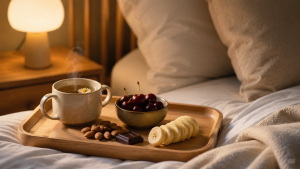
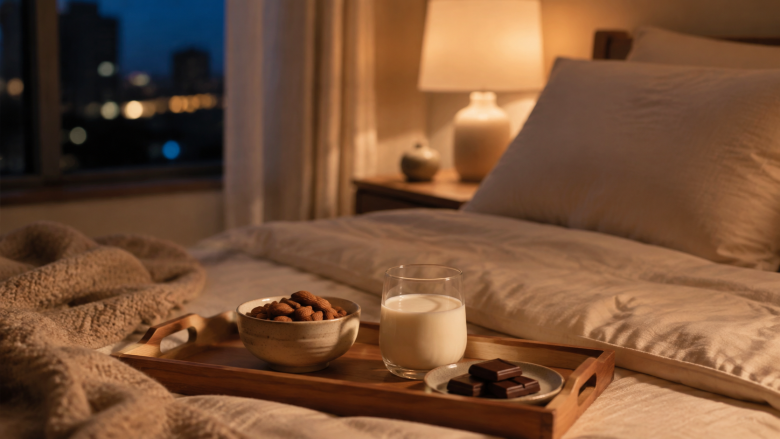
- A small handful of almonds (about 15) and a small piece of dark chocolate (70%+) – 200 calories. Eat 30-60 minutes before bed. Almonds provide magnesium, and dark chocolate has a little tryptophan.
- A small sweet potato (baked) with a sprinkle of cinnamon – 150 calories. Eat 1-2 hours before bed. Sweet potatoes are a complex carb that’s easy to digest.
- A cup of chamomile tea with a few plain crackers – 80 calories. Eat 30 minutes before bed. Chamomile is calming, and crackers are light.
These are just starting points. The key is to keep the portion small and the food simple. If you’re someone who needs a bit more, you can increase the portion slightly, but be careful not to cross into meal territory.
When a Snack Becomes a Meal: The Danger Zone
There’s a fine line between a bedtime snack and a late-night meal. Crossing that line is one of the most common mistakes I see. A snack should be 150-250 calories. A meal is 400+ calories. If you’re eating a bowl of cereal with milk, a sandwich, or a plate of leftovers, you’re eating a meal, not a snack.
Why does this matter? Because a large meal before bed can cause:
- Indigestion and bloating that keeps you awake
- Acid reflux, especially if you lie down soon after
- A spike in blood sugar followed by a crash that wakes you up
- Weight gain over time, if it becomes a habit
I’ve had clients who thought they were “just having a snack” but were actually eating 600 calories of cereal and milk. The solution is to measure your portions. Use a small bowl, not a dinner plate. Put the snack on a plate or in a bowl, and don’t eat directly from the bag or container.
Another sign you’re overeating: you feel full, not just satisfied. A snack should take the edge off hunger, not make you feel stuffed. If you finish and feel like you need to unbutton your pants, you ate too much.
If you find yourself consistently hungry at night, it might be a sign that you’re not eating enough during the day. Look at your dinner – did you have enough protein and fiber? Sometimes a bedtime snack is just a symptom of a poor dinner. Fixing your dinner might eliminate the need for a snack altogether.
The Role of Wind-Down Routine
Food is only one piece of the sleep puzzle. What you do in the hour before bed matters just as much. If you eat a perfect snack but then scroll through your phone or watch a stressful show, you’re undoing the benefits. Your body needs to know it’s time to wind down.
As we covered in our guide to how to wind down before bed easily, a consistent routine signals your brain to produce melatonin. This includes dimming the lights, turning off screens, and doing something relaxing like reading or stretching. Pair that with a small, sleep-friendly snack, and you’re setting yourself up for success.
If you’re looking for a step-by-step approach, our article on a calm before bed routine with easy steps can help you build a ritual that works for you. The key is to be consistent and to make the routine something you actually enjoy.
Remember, the goal is not to eat perfectly every night. It’s to make better choices most of the time. If you have a late dinner or a social event that pushes your eating later, don’t stress. Just try to keep the portion small and the food simple. Your body is resilient, and one night of imperfect eating won’t ruin your sleep. But if you make it a habit, it will.
So the next time you’re hungry before bed, ask yourself the three questions. Choose a small, balanced snack. And then let your wind-down routine do the rest. Your sleep will thank you.