The Nighttime Eating Playbook: Why the Food Matters Less Than the Mechanism
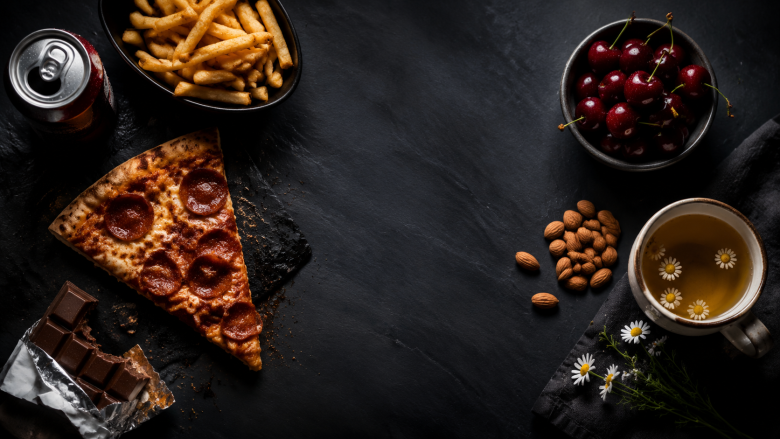
If you have ever lain awake at 2 AM with heartburn, a racing heart, or the sudden urge to pee, you already know that late-night eating can sabotage sleep. But here is the thing nobody tells you: the specific food matters less than the mechanism it triggers. A glass of orange juice and a slice of pepperoni pizza could not look more different, yet both can wreck your night – through completely separate pathways.
When I first started tracking my sleep quality alongside my evening meals, I made the mistake of assuming that “heavy” foods were the only problem. I cut out burgers and fries but kept eating fruit salad and yogurt. My sleep did not improve. The culprit turned out to be the acid in the fruit and the sugar in the yogurt – two different mechanisms I had not considered.
This article categorizes problematic night foods by how they disrupt sleep: acid reflux triggers, blood sugar spikers, and fluid retention agents. For each category, you will get specific foods, safe swaps, and a cutoff time that actually works. Because the goal is not just to tell you what to avoid – it is to tell you what to eat instead.
Why the Standard “Avoid List” Fails You
Most articles on this topic hand you a static list: no coffee, no chocolate, no spicy food, no cheese. That list is not wrong, but it is incomplete. It treats everyone like the same person and every food like the same threat.
The reality is that timing, portion size, and your individual physiology determine whether a food disrupts your sleep – not the food itself. A small square of 85% dark chocolate at 6 PM is very different from a full bar at 10 PM. A handful of almonds is different from a bowl of trail mix. And if you have GERD, your trigger list is completely different from someone with insulin resistance.
So instead of a one-size-fits-all list, here is a framework based on the three mechanisms that actually interfere with sleep.
Mechanism 1: Acid Reflux Triggers
The lower esophageal sphincter (LES) is a muscular ring that closes off your stomach from your esophagus. When it relaxes inappropriately, stomach acid travels upward – causing heartburn, coughing, and that awful bitter taste that wakes you at 3 AM. Lying down makes it worse because gravity no longer helps keep acid where it belongs.
Foods that relax the LES or increase stomach acid:
- Citrus fruits – oranges, grapefruit, lemons, limes
- Tomatoes and tomato-based sauces – marinara, salsa, ketchup
- Onions and garlic – especially raw, which stimulates acid production
- Spicy foods – chili peppers, hot sauce, curry
- Mint – surprising to many, but peppermint and spearmint relax the LES
- Carbonated beverages – the gas distends the stomach and increases pressure
If you have ever eaten a late dinner of spaghetti with marinara and felt that burn climbing your throat at midnight, you know exactly what I am talking about. The acid does not just cause pain – it fragments your sleep architecture. You may not even wake fully, but your brain registers the irritation and pulls you into lighter sleep stages.
Safe Swaps for Acid Reflux Triggers
Instead of citrus, reach for bananas or melons. They are naturally low-acid and actually coat the stomach. Instead of tomato sauce, try pesto or olive oil-based sauces on pasta. Instead of raw onions, use chives or fresh herbs like basil and oregano – they add flavor without the acid spike.
For spicy food lovers, this one hurts. But the trade-off is real: capsaicin – the compound that makes peppers hot – stimulates acid production and delays gastric emptying. If you must have heat, use a small amount of black pepper or smoked paprika, which are far gentler on the LES.
Cutoff Time for Acid Reflux Triggers
Give yourself at least 2 to 3 hours between your last acidic meal and bedtime. This is not a suggestion – it is the time it takes for the stomach to empty significantly and for acid production to taper off. If you have GERD, push that window to 3 to 4 hours. As we covered in our guide to creating a peaceful night routine, a consistent wind-down window is just as important as what you eat.
Mechanism 2: Blood Sugar Spikers
Here is the mechanism most people do not see coming. When you eat refined carbohydrates and sugars close to bedtime, your blood glucose spikes rapidly. Your body responds by releasing insulin to shuttle that glucose into cells. But the spike is followed by a crash – often 2 to 3 hours later, right as you are entering deep sleep.
The crash triggers the release of cortisol and adrenaline, stress hormones designed to raise blood sugar back up. The result: you wake up at 2 AM feeling alert, anxious, or inexplicably hungry, and you struggle to fall back asleep.
Foods that spike blood sugar at night:
- Dried fruit – dates, raisins, dried apricots (concentrated sugar with no water volume to slow absorption)
- White bread, pizza crust, and refined grains – rapidly converted to glucose
- Sugary cereals – even “healthy” granola can contain 15+ grams of sugar per serving
- Ice cream and frozen desserts – sugar plus fat equals a delayed but potent spike
- Fruit juice and sweetened drinks – liquid sugar hits the bloodstream fastest of all
- White rice and instant mashed potatoes – high glycemic index, minimal fiber
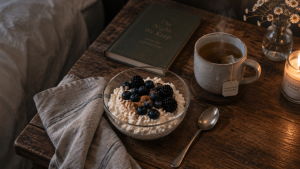
I learned this the hard way. I used to eat a bowl of granola with honey before bed, thinking it was a “clean” choice. My sleep tracker showed me waking up regularly around 2:30 AM, and I could not figure out why. Once I swapped the granola for plain Greek yogurt with a few fresh berries, the 2:30 AM wake-ups stopped within a week.
Safe Swaps for Blood Sugar Spikers
Pair any carbohydrate with protein or healthy fat – this slows glucose absorption dramatically. Instead of dried fruit, eat fresh berries (strawberries, blueberries, blackberries) which are low on the glycemic index. Instead of sugary cereal, try plain Greek yogurt with a sprinkle of cinnamon and chopped nuts. Instead of ice cream, have a small piece of 85% dark chocolate – the fat and fiber blunt the sugar response, and the magnesium may actually help you relax.
One nuance: dark chocolate still contains caffeine, though far less than milk chocolate. If you are sensitive, keep it to a single square and finish it at least 2 hours before bed.
Cutoff Time for Blood Sugar Spikers
Aim for 2 hours between a carbohydrate-heavy snack and bedtime. If you are managing insulin resistance, prediabetes, or type 2 diabetes, extend that to 3 to 4 hours. Your body needs more time to process glucose, and the crash will hit harder if you go to bed on a sugar high.
Mechanism 3: Fluid Retention Agents
The third mechanism is the one that sends you stumbling to the bathroom at 4 AM. High-sodium foods cause your body to retain water, which increases blood volume and makes your kidneys work harder. The result: you produce more urine, and you produce it during the hours when your body should be conserving fluids.
This is called nocturia – waking up to urinate – and it is one of the most common sleep disruptors in adults. The frustrating part is that you may not feel thirsty when you eat salty foods, so you do not connect the dots until you are standing in a dark bathroom wondering why you are awake.
Foods high in sodium that sabotage sleep:
- Processed deli meats – turkey, ham, salami (one serving can contain 600+ mg of sodium)
- Chips, pretzels, and salted crackers – the snack aisle is a sodium minefield
- Instant noodles and ramen – a single packet can exceed 1,500 mg of sodium
- Canned soups and broths – check the label; many contain 800+ mg per serving
- Pickles and olives – brined in saltwater
- Frozen dinners – often loaded with sodium as a preservative
Safe Swaps for Fluid Retention Agents
Swap chips for air-popped popcorn with no added salt – you get the crunch without the sodium load. Instead of deli meat sandwiches, try roasted chicken or turkey breast that you cook yourself; you control the salt. Instead of instant noodles, make a quick broth-based soup with fresh vegetables and low-sodium stock.
The key is not to eliminate salt entirely – your body needs it – but to avoid the sodium bombs that arrive in processed form. The American Heart Association recommends limiting sodium to no more than 2,300 mg per day, with an ideal limit of 1,500 mg for most adults. A single salty late-night snack can blow through half of that.
Cutoff Time for Fluid Retention Agents
Stop high-sodium foods at least 3 hours before bed. And here is the counterintuitive part: do not chug water to “flush” the salt right before bed. That will just fill your bladder. Instead, drink extra water earlier in the day so your kidneys have time to process the sodium before you lie down.
Also, be careful with all liquids in the final 45 minutes before bed – even water. Your bladder fills faster than you think, and the urge to urinate can pull you out of deep sleep even if you do not fully wake.
Timing: The Variable Everyone Ignores
Here is the uncomfortable truth: the same food can be harmless at 5 PM and destructive at 11 PM. Your digestive system slows down as your body prepares for sleep. Gastric emptying – the rate at which food leaves your stomach – decreases by up to 50% during the night. That means a meal that would take 2 hours to digest during the day might take 4 hours at night.
This is why the question “what foods should not be eaten at night?” misses the point. The better question is “how long before bed should I eat, and what portion size is appropriate?”
Based on my experience and what sleep researchers consistently find, here are practical cutoff times:
- Large, heavy meals (steak, fried food, creamy pasta): 3+ hours before bed
- Acidic foods: 2-3 hours
- High-sugar foods: 2 hours
- High-sodium foods: 3 hours
- Caffeine (coffee, tea, chocolate): 6-8 hours
- Alcohol: 3-4 hours (it may make you drowsy but fragments sleep)
- Any liquids: 45 minutes
These are not arbitrary numbers. They come from the time it takes for each type of food to move through the stomach and for its metabolic effects to peak. A large fatty meal sits in the stomach for hours, physically pressing on the LES and delaying sleep onset. A sugary snack triggers an insulin response that peaks and crashes during your first sleep cycle.
Portion Size: The Forgotten Variable
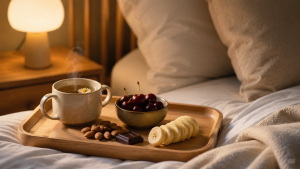
Most people do not realize that portion size can override food type. A single square of dark chocolate is fine. A whole bar is not. A small bowl of cherries is fine. A whole bag of dried cherries is a sugar bomb. The dose makes the poison.
I have seen people who ate “clean” but still could not sleep because they were eating enormous portions of healthy food too close to bedtime. Your stomach can only empty so fast, and a massive volume of food – even broccoli and chicken – will keep you uncomfortable and disrupt your sleep architecture.
A good rule of thumb: your evening snack should be 200-300 calories max, and it should combine a small amount of protein with a small amount of complex carbohydrate. Think a slice of turkey on whole grain bread, a cup of Greek yogurt with berries, or a handful of almonds with a few apple slices.
Individual Physiology: When the Rules Change
This is where the standard listicle falls apart completely. The foods that disrupt sleep for one person may be perfectly fine for another. Your individual physiology determines your trigger list.
If You Have GERD or Acid Reflux
Your triggers are amplified. Citrus, tomatoes, onions, garlic, spicy food, and even carbonated water can cause reflux. You should also elevate the head of your bed by 6-8 inches – not just use extra pillows, which can actually worsen reflux by bending your neck. And skip late eating entirely if you can; a 4-hour gap is ideal.
If You Have Insulin Resistance or Diabetes
Your blood sugar response to carbohydrates is exaggerated. Even “healthy” carbs like whole grain bread or quinoa can spike your glucose if eaten late. Focus on protein and non-starchy vegetables in the evening, and always pair carbs with fat or protein to slow absorption.
If You Have Sleep Apnea
Sleep apnea already fragments your sleep. Adding alcohol or heavy meals makes it worse by further relaxing your airway muscles and increasing the pressure on your diaphragm. Avoid alcohol entirely for at least 3 hours before bed, and keep evening meals light.
If You Are Prone to Nighttime Urination
This is more common in people over 50 and in those with bladder sensitivity. High-sodium foods and any liquids in the 2 hours before bed will guarantee multiple bathroom trips. Shift your fluid intake earlier in the day and front-load your hydration.
The takeaway: there is no universal “worst food” list. There are only foods that interact badly with your specific body at a specific time.
What You CAN Eat at Night (Safe Swaps That Actually Work)
This is the question people actually want answered. “What food is best eaten at night?” Here is what consistently works well for most people:
- Greek yogurt with fresh berries – protein for satiety, low-glycemic carbs, probiotics
- A small banana with 1 tablespoon of peanut butter – potassium and magnesium for muscle relaxation, healthy fat for satiety
- Turkey or chicken breast on whole grain bread – tryptophan precursors and complex carbs
- Cottage cheese with a few cherry tomatoes – casein protein digests slowly through the night
- A handful of almonds – magnesium and tryptophan, but stop at one handful
- Warm oatmeal with cinnamon (no added sugar) – complex carbs that raise serotonin
- Herbal tea – chamomile or passionflower, but stop 45 minutes before bed
These foods share a pattern: they are moderate in calories, low in refined sugar, gentle on the stomach, and unlikely to cause reflux or blood sugar crashes. They also contain sleep-supportive nutrients like magnesium, potassium, tryptophan, and melatonin precursors.
For a deeper look at building a complete evening routine around these habits, check out our guide to 10 items for your perfect night routine – it covers the non-food elements that reinforce good sleep.
The Nighttime Eating Decision Framework
Here is a simple framework you can apply to any food, any time, without memorizing lists. Ask yourself three questions:
- Does it trigger my reflux? – If you have GERD or a history of heartburn, any acidic, spicy, or fatty food is a no-go within 3 hours of bed.
- Will it spike my blood sugar? – If it is refined, sweet, or high-glycemic, pair it with protein or skip it after 8 PM.
- Is it high in sodium? – If it is processed, salty, or brined, eat it earlier in the day or not at all.
If the answer to any of these is “yes,” find a swap from the safe list above. If the answer to all three is “no,” you are probably fine – as long as the portion is reasonable and you give yourself at least 45 minutes before lying down.
The bottom line: The worst thing to eat late at night is not any single food. It is a large, highly processed, spicy, salty, sugar-laden meal eaten right before bed – the kind that hits all three mechanisms at once. Fast food, greasy takeout, or a huge bowl of sugary cereal will check every box. The best thing you can do is eat a small, balanced snack 2 to 3 hours before bed and let your digestion finish before your head hits the pillow.
Putting It All Together: Your Nighttime Eating Plan
Here is what a realistic evening eating plan looks like, based on everything above:
- 6:30 PM – Dinner: grilled chicken, roasted vegetables, small portion of quinoa. No tomato sauce, no hot sauce, minimal salt.
- 8:30 PM – Optional snack: Greek yogurt with a few blueberries, or a banana with peanut butter.
- 9:30 PM – Stop all liquids. Brush teeth. Start your wind-down routine.
- 10:00 PM – Bed. Lights out.
If you are someone who gets hungry right before bed, you are not alone. The key is to plan for it rather than raid the pantry at 11 PM. Having a pre-portioned snack ready – like a single-serve Greek yogurt or a small bag of almonds – removes the decision fatigue and the temptation to overeat.
And if you do slip up and eat something you should not have, do not beat yourself up. One bad night is not a pattern. The goal is consistency, not perfection.
What to Do If You Wake Up Hungry at 2 AM
This happens to almost everyone at some point. The instinct is to grab whatever is closest. Instead, keep a small glass of water by your bed and drink that first. Often, what feels like hunger is actually dehydration or boredom. If you are still hungry after 10 minutes, have a small piece of cheese or a few almonds – something with protein and fat that will not spike your blood sugar and start the whole cycle again.
What you should never do is reach for a bowl of cereal, a granola bar, or fruit juice at 2 AM. That is the fastest way to repeat the crash-and-wake cycle for the rest of the night.
Frequently Overlooked: Hydration Timing
We have covered foods, but hydration deserves its own mention because it interacts with every mechanism above. Drinking a large glass of water right before bed will fill your bladder and guarantee a 3 AM bathroom visit. But being dehydrated is also bad for sleep – it thickens your blood, increases cortisol, and can cause leg cramps.
The solution is to front-load your hydration. Drink most of your water during the day, taper off in the evening, and finish your last glass at least 45 minutes before bed. If you wake up thirsty, take small sips rather than chugging.
Alcohol is the wild card here. It is a diuretic, so it makes you produce more urine even as it dehydrates you. A glass of wine may help you fall asleep faster, but it will likely wake you up 3 hours later with a dry mouth and a full bladder. The trade-off is rarely worth it.
The Final Word on Foods to Avoid at Night
The question “what foods should not be eaten at night?” deserves a better answer than a list. Here it is: avoid foods that trigger your acid reflux, spike your blood sugar, or load your body with sodium – especially within 2 to 3 hours of bedtime. And equally important, eat something small and balanced if you are hungry, rather than nothing at all.
The science is clear that going to bed hungry is just as disruptive as going to bed stuffed. Your body needs fuel for overnight repair, but it needs the right fuel at the right time.
Start with one change tonight. Pick the mechanism that affects you most – reflux, blood sugar, or sodium – and swap out one trigger food for a safe alternative. Track your sleep for a week and notice the difference. That single shift will teach you more about your body than any article ever could.