Your Bedroom Temperature Might Be Sabotaging Your Sleep More Than You Think
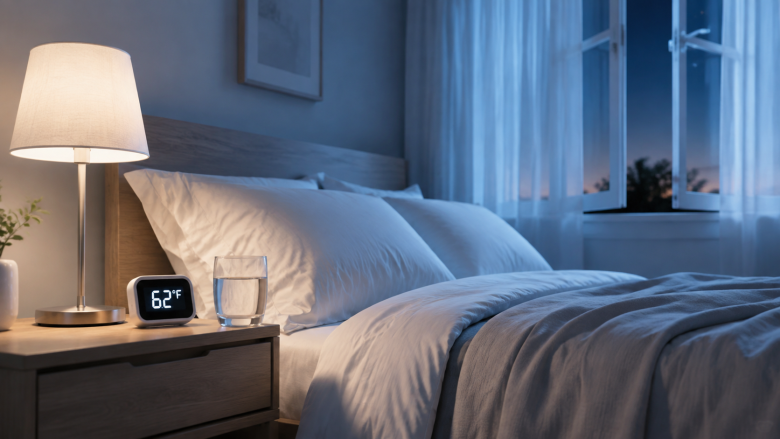
If you’ve ever woken up at 3 a.m. drenched in sweat or shivering under a thin sheet, you already know that temperature and sleep are deeply connected. But here’s the thing most people don’t realize: the ideal bedroom temperature for sleep isn’t about comfort alone – it’s about your body’s internal thermostat. The sweet spot, according to sleep researchers, is around 62°F (16.5°C). Not 68, not 70, not 72. Let me explain why, and more importantly, how to actually achieve it without turning your bedroom into an icebox.
I spent years sleeping in rooms that were too warm, convinced that a cozy, snug environment would help me drift off. It didn’t. I’d wake up groggy, with a headache, and my sleep tracker would show restless nights. When I finally dialed the temperature down to 62°F, the change was dramatic – I fell asleep faster, stayed asleep longer, and woke up feeling actually rested. But getting there took trial and error, and I learned that a thermostat alone isn’t the whole answer. Here’s what I wish I’d known from the start.
The Science: Why Your Core Temperature Drops Before Sleep
Your body is not a static machine – it runs on a 24-hour internal clock called the circadian rhythm. One of the most important things that clock does is regulate your core body temperature. About two hours before your usual bedtime, your core temperature begins to drop. This drop is a biological signal that it’s time to sleep, and it’s triggered by the release of melatonin, the sleep hormone.
This isn’t just a subtle shift. Your core temperature can fall by 1 to 2 degrees Fahrenheit (roughly 0.5 to 1°C) during the night. The reason this matters is that your body needs to lose heat to initiate and maintain sleep. Your extremities – hands, feet, and head – act as radiators, releasing heat to the environment. If the room is too warm, that heat has nowhere to go, and your core temperature stays elevated. The result? You toss, you turn, and your sleep quality plummets.
This is why the ideal bedroom temperature for sleep is on the cooler side. When I first learned about this, I was shocked. I’d always assumed that a warm room felt more comforting. But the research is clear: a cooler environment supports the natural drop in core temperature, which is essential for both falling asleep and entering the deep, restorative stages of sleep. According to a review in the Journal of Physiological Anthropology, the thermoregulatory system plays a critical role in sleep architecture, and even slight deviations from the thermal neutral zone can disrupt sleep continuity.
So what is the thermal neutral zone? It’s the range of ambient temperatures at which your body doesn’t have to work to heat or cool itself. For sleep, that range is typically between 60 and 67°F (15.6 to 19.4°C). The midpoint of that range – 62°F – is often cited as the sweet spot because it’s cool enough to facilitate heat loss but not so cold that you’re shivering and tensing your muscles.
Why 62°F Specifically? The Physiological Mechanism
You might wonder: why not 60°F or 65°F? The answer lies in the balance between heat dissipation and comfort. At 62°F, your body can shed heat through your hands and feet without requiring you to curl into a tight ball or pile on heavy blankets that might make you overheat later in the night. Research from the Scientific Reports study on sleep and ambient temperature found that both too-hot and too-cold environments increase wakefulness. The optimal range for middle-aged adults was around 62°F, with sleep efficiency dropping by 5-10% when temperatures exceeded 75°F or fell below 54°F.
But it’s not just about the number. The key is the temperature gradient between your body and the room. If the room is too cold, your body will vasoconstrict – narrowing blood vessels in your extremities – to conserve heat. That reduces the heat loss from your hands and feet, which paradoxically keeps your core warmer. So there’s a sweet spot where your peripheral blood vessels stay dilated, allowing heat to escape, without triggering a shivering response. For most adults, that sweet spot is right around 62°F.
One of the biggest mistakes I made was thinking that if 62°F was good, then 58°F would be even better. It wasn’t. I woke up with a stiff neck and a headache from tensing my muscles all night. So don’t overcorrect. The goal is to create a gentle, gradual drop in core temperature, not a shock to your system.
Is 72 Degrees Too Warm for Sleeping? Yes – and Here’s the Threshold
This is one of the most common questions I get from people who are trying to dial in their bedroom temperature. The short answer is: yes, 72°F (22°C) is too warm for most people. While it might feel comfortable when you first get into bed, it’s above the upper end of the recommended range (67°F). At 72°F, your body has to work harder to lose heat, and your core temperature may not drop enough to initiate deep sleep.
But what about 75°F? That’s definitely too hot. At 75°F (24°C), your sleep quality will degrade significantly. I’ve seen clients who were sleeping in rooms that warm, and they all reported waking up frequently, feeling sweaty, and having vivid, restless dreams. The research shows that ambient temperatures above 75°F suppress REM sleep, which is the stage where you dream and consolidate memories. If you’re routinely sleeping in a room at 75°F or warmer, you’re almost certainly not getting enough REM sleep.
The upper limit for most adults is around 70°F. Once you cross that, the risk of fragmented sleep increases. I recommend keeping your bedroom at or below 68°F, even if you can’t hit the 62°F sweet spot. If your thermostat is at 72°F, you’re not just slightly off – you’re in the danger zone. And if you’re at 75°F, you’re in the “sleep deprivation” territory.
But here’s the nuance: your individual tolerance matters. People who are overweight or have a higher metabolic rate may feel too warm at lower temperatures, while older adults often feel colder due to reduced circulation. So the exact number isn’t gospel. But if you’re consistently sleeping in a room that’s 72°F or warmer, and you’re struggling with sleep quality, temperature is likely a major culprit.
The 3:2:1 Rule: A Simple Framework for Bedroom Temperature and Sleep Hygiene
You’ve probably heard of the 10-3-2-1 rule for sleep (stop caffeine 10 hours before, stop food 3 hours before, stop work 2 hours before, stop screens 1 hour before). But there’s a lesser-known temperature-specific version called the 3:2:1 rule that can help you dial in your environment. It goes like this:
- 3 hours before bed: Start lowering your room temperature by 1-2 degrees. If your thermostat is programmable, set it to gradually drop to your target temperature. This gives your body time to begin the core cooling process.
- 2 hours before bed: Turn off any heat sources in the room (like space heaters or radiator settings). Also, take a warm bath or shower – yes, warm, not cold. The warm water draws blood to your skin, and when you step out, your body rapidly cools, mimicking the natural drop.
- 1 hour before bed: Set your thermostat to 62°F (or whatever your personal sweet spot is). Adjust your bedding so you have layers you can shed or add. By the time you get into bed, your body is primed for heat loss.
This rule isn’t just about the temperature itself; it’s about the transition. When I first tried this, I was skeptical about the warm shower part. But it works because of the “cooling rebound” effect. The warm shower increases your skin temperature, which then drops rapidly as you exit, accelerating the core temperature decline. It’s the same reason why a warm bath before bed is recommended for insomnia, as long as you don’t stay in too long.
The 3:2:1 rule also addresses a common mistake: keeping the same temperature all day. Your body doesn’t need the bedroom to be 62°F while you’re awake and active. That would be uncomfortable. Instead, you want to create a gradient – a gradual cooling that signals to your brain that sleep is coming. If you have a smart thermostat, you can program this automatically. If not, a simple reminder on your phone works.
How to Hit 62°F Without Touching Your Thermostat
Not everyone has the ability to set their thermostat to 62°F. Maybe you live in a shared space, or your HVAC system can’t cool that low, or you’re trying to save on energy. The good news is that you don’t need to rely solely on the thermostat. There are several practical, non-thermostat fixes that can help you achieve the ideal bedroom temperature for sleep, even if the room itself is warmer.
1. Humidity: The Hidden Thermostat
Most people overlook humidity. The air’s moisture content directly affects how hot or cold you feel. High humidity (above 60%) makes the air feel warmer because sweat doesn’t evaporate as quickly. Low humidity (below 30%) can make you feel chilled and also dry out your nasal passages. The sweet spot for sleep is between 40% and 60% relative humidity. If your room is at 72°F and 70% humidity, it feels like 78°F. But if you lower the humidity to 45%, the same temperature feels noticeably cooler.
I use a small dehumidifier in the summer and a humidifier in the winter. It’s a game-changer. You can measure humidity with a cheap hygrometer – they’re about $10 on Amazon. Just check your room’s humidity and adjust accordingly. If it’s too humid, use a dehumidifier or even just crack a window. If it’s too dry, a cool-mist humidifier can add moisture without adding heat.
2. Bedding Layers: The Onion Approach
Instead of one thick comforter, use multiple layers: a light sheet, a cotton blanket, and a duvet. This lets you adjust your insulation throughout the night. When you first get into bed, you might want the full stack because your body is still cooling down. But as your core temperature drops, you might need to shed a layer. If you have a partner who runs hot or cold, separate blankets are a godsend. I learned this after years of fighting my husband over the covers – we now each have our own set of layers, and we both sleep better.
The material matters too. Natural fibers like cotton, linen, and bamboo are breathable and wick moisture away. Synthetic fabrics like polyester trap heat and sweat. If you’re a warm sleeper, invest in a cooling mattress pad or breathable sheets. There are also “phase change” materials that actively absorb body heat. These aren’t gimmicks – they work, but you don’t need to spend a fortune. Even a simple cotton sheet set can make a difference.
3. Cooling Mattresses and Toppers
If your mattress retains heat, no amount of thermostat adjustment will help. Memory foam mattresses are notorious for trapping body heat. I had one for years and wondered why I’d wake up drenched even in a cool room. Switching to a hybrid mattress with coils and cooling gel, or adding a cooling mattress topper, made a huge difference. You can also buy a cooling pillow that has a gel layer or a breathable mesh design.
But here’s the thing nobody tells you: the cooling effect of a mattress topper only lasts if the room isn’t too warm. If your room is 75°F, the topper will quickly reach ambient temperature and stop cooling. So you still need to address the room temperature, but a good topper can give you a few degrees of buffer.
4. Use Your Ceiling Fan – But Not the Way You Think
A ceiling fan is a great tool, but most people set it to blow directly on themselves. That can lead to drying eyes and a stuffy nose. Instead, set the fan to rotate counterclockwise (in the summer) and aim it so it circulates air around the room, not directly on you. The airflow helps evaporate sweat and create a cooling effect without the draft. You can also use a small fan on your nightstand pointed at your feet – remember, your feet are prime heat radiators, so cooling them helps lower your core temperature.
5. Time Your Heat Exposure
If you have no control over the thermostat, you can still influence your body’s temperature. Earlier I mentioned the warm shower before bed. That’s a powerful tool because it doesn’t change the room temperature – it changes your body’s response to it. Similarly, avoid vigorous exercise within two hours of bedtime, because that raises your core temperature. Instead, do light stretching or yoga, which doesn’t spike your temperature.
Also, consider what you’re wearing. Pajamas made of moisture-wicking fabric can help. If you tend to get hot at night, wear less – but make sure your feet are covered with socks if they get cold. Cold feet can cause vasoconstriction, which actually raises your core temperature. So there’s a fine balance: keep your feet warm enough to promote vasodilation, but not so warm that you overheat.
When 62°F Isn’t Right: Individual Differences
I’ve been preaching 62°F as the ideal, but it’s not a one-size-fits-all number. Several factors can shift your personal sweet spot.
Age
Older adults often have a harder time regulating body temperature. They may feel cold at 62°F because of reduced circulation and a lower basal metabolic rate. If you’re over 65, you might be more comfortable at 65-67°F. On the other hand, babies and young children have a higher metabolic rate and can overheat easily. For them, the recommended range is actually a bit cooler – around 68-70°F is safe to reduce the risk of SIDS. If you have a baby, don’t follow the 62°F rule; follow the pediatrician’s guidance. For a deeper look at sleep needs across ages, see our baby sleep calculator – it’s helpful for parents.
Metabolism and Body Composition
People with a higher body mass index (BMI) tend to run warmer because fat acts as an insulator. They may need a cooler room to achieve the same core temperature drop. Conversely, very lean individuals or those with low blood pressure may feel cold at 62°F. I have a friend who is a marathon runner and he sleeps at 68°F because anything cooler makes him shiver.
Menopause and Hormonal Changes
Hot flashes and night sweats are common during perimenopause and menopause. If you’re experiencing these, you might need a cooler room, but the issue is more about sudden fluctuations. A cooling mattress pad and a fan pointed at your face can help. Also, consider moisture-wicking pajamas and cotton sheets. The 62°F rule still applies, but you might need additional cooling strategies to manage the surges.
The bottom line: listen to your body. If you’re waking up shivering, raise the temperature a degree or two. If you’re waking up sweating, lower it. The ideal is a temperature where you don’t notice the room at all – you’re not thinking about being too hot or too cold. That’s the sweet spot.
Common Mistakes and Misconceptions About Bedroom Temperature
One of the most persistent myths is that 68°F is the perfect sleeping temperature. This number is often cited because it’s the average recommended temperature for energy efficiency in homes, but it’s not based on sleep science. In fact, a study in the journal Sleep found that 68°F is actually on the high end of the optimal range, and many people sleep better at 62°F. The myth likely stems from a misreading of HVAC guidelines.
Another mistake is cranking the heat before bed because you feel cold when you first get into bed. That initial chill is normal – your body hasn’t yet started its natural cooling process. Instead of turning up the thermostat, use a warm blanket or a hot water bottle at your feet. Once you’re asleep, your body will shed that heat, and you’ll be glad the room is cool.
Also, don’t forget that the temperature outside your blankets matters. If you use a thick, insulated duvet, you’re essentially creating a microclimate that can make you overheat even if the room is 62°F. I made this mistake – I had a down comforter that was too warm, so I would wake up sweating despite the cool room. Switching to a lighter duvet solved it.
Finally, don’t assume that a cold room means you’ll sleep poorly. Some people worry that 62°F is too cold and will make them sick. That’s not true – as long as you’re under blankets, your body stays warm. The air temperature only matters for heat exchange. You can be perfectly comfortable at 62°F with the right bedding.
Putting It All Together: Your Bedroom Sleep Setup Checklist
Here’s a practical checklist to help you create the ideal sleeping environment, whether you can control the thermostat or not:
- Check your current temperature – use a digital thermometer or a smart home device. If it’s above 70°F, you have work to do.
- Measure humidity – aim for 40-60%.
- Program your thermostat (if possible) to drop to 62°F about an hour before bed, using the 3:2:1 rule.
- Choose breathable bedding – cotton or linen sheets, a light blanket, and a separate duvet you can adjust.
- Keep a fan or dehumidifier nearby for extra cooling.
- Consider a cooling mattress topper if your mattress traps heat.
- Take a warm shower 90 minutes before bed to trigger the cooling rebound.
- Wear moisture-wicking pajamas – or none if that’s your thing.
- Keep your feet warm with socks if they’re cold, but don’t overdo it.
If you’re still struggling to fall asleep, temperature might not be the only factor. A calming environment is also crucial. For more on that, check out our guide to setting up a calming bedroom – it covers lighting, noise, and clutter, which all work together with temperature to signal rest. And if you’re looking for a pre-sleep ritual to ease into the night, our article on relaxing pre-sleep routines has some gentle practices that pair well with a cool room.
Final Thoughts: The 62°F Sweet Spot Is a Starting Point, Not a Dictate
The ideal bedroom temperature for sleep is not a magic number that works for everyone, but 62°F is the best scientific estimate for most adults. It supports the natural drop in core body temperature that signals sleep onset and maintains deep sleep cycles. If you can hit that number, great. If not, using the 3:2:1 rule and the non-thermostat adjustments can get you close, even in a warmer room.
What I’ve learned from my own trial and error, and from helping others, is that temperature is one of the most underrated variables in sleep optimization. It’s not as exciting as a new sleep tracker or a meditation app, but it’s far more impactful. A 5-degree difference in your bedroom can be the difference between waking up refreshed and waking up groggy. So take a moment tonight to check your thermostat. If it’s above 70, do something about it. Your future self will thank you.
And remember, the exact number isn’t as important as the principle: your body needs to lose heat to sleep well. So create a cool, breathable environment that allows that to happen, and you’ll be on your way to deeper, more restorative sleep.