What to Eat at 10 PM When Hungry? Stop Guessing and Take the Test
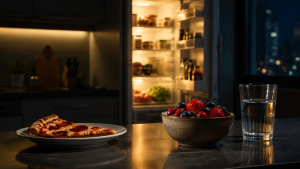
You know the feeling: it’s 10 PM, you’re hungry, and you’re standing in front of the fridge trying to decide between a spoonful of peanut butter and a hard-boiled egg. The truth is, there is no single “best” protein snack before bed. The right choice depends on why you’re hungry and what your body needs overnight. That’s why I’ve created the 10 PM Hunger Test – a simple decision framework that turns a confusing listicle into a personalized answer.
Here’s the short version: if you want muscle repair, pick casein-rich foods like cottage cheese or Greek yogurt. If you’re watching your weight, go for low-calorie, high-protein options like edamame or a hard-boiled egg. If you struggle with sleep, combine tryptophan with a carbohydrate like banana and almond butter. And if you’re managing blood sugar, choose protein with fat and zero added sugar, like cheese or nuts. Keep reading to see exactly how to apply this test to your own evening routine.
Most people don’t realize that the “best” protein snack is not about the protein content alone. The timing, the type of protein, and the other macronutrients matter just as much. The 10 PM Hunger Test takes all of that into account.
Why Your Goal Matters More Than the Snack Itself
When I first started experimenting with late-night protein, I made the mistake of eating a whey protein shake right before bed. I woke up feeling bloated and still hungry. It took me weeks to realize that whey digests too quickly for overnight recovery. That’s when I switched to casein, and the difference was night and day.
The reason your goal matters is that your body processes protein differently depending on its source and the other nutrients you pair it with. A bodybuilder’s midnight snack is not the same as a diabetic’s or an insomniac’s. The 10 PM Hunger Test forces you to ask one question: What is the primary reason you’re eating right now? Your answer determines the optimal protein type, portion, and pairing.
The Four Hunger Archetypes
- Muscle Recovery – You hit the gym and want to maximize overnight protein synthesis.
- Weight Management – You want to feel full without adding excess calories.
- Sleep Improvement – You need to fall asleep faster and stay asleep.
- Blood Sugar Control – You’re managing diabetes or insulin resistance.
Most people fall into more than one category. That’s fine. The test helps you prioritize. For example, if you’re both trying to lose weight and improve sleep, you might choose a snack that combines tryptophan with low-calorie protein, like a turkey roll-up on a lettuce leaf.
The 10 PM Hunger Test: A Decision Tree
Here’s a step-by-step framework you can use tonight. Answer the first question, then follow the path.
Step 1: Are you actually hungry, or just bored? If you’re not sure, drink a glass of water and wait 10 minutes. If you’re still hungry, proceed. If not, go to bed.
Step 2: What’s your main goal? Choose one primary goal. This will guide your protein source.
Step 3: Select your snack based on the goal table below.
| Goal | Protein Source | Why It Works | Portion Example |
|---|---|---|---|
| Muscle Repair | Casein-rich dairy (cottage cheese, Greek yogurt) or a casein shake | Slow digestion provides a steady amino acid release overnight | 1/2 cup cottage cheese or 1 scoop casein powder |
| Weight Loss | High-protein, low-calorie options with fiber (edamame, hard-boiled egg) | Protein and fiber increase satiety without extra calories | 1 cup shelled edamame or 2 hard-boiled eggs |
| Sleep Trouble | Tryptophan-rich foods plus carbs (turkey, banana with almond butter) | Tryptophan converts to serotonin and melatonin; carbs help absorption | 2 slices turkey rolled with 1 tbsp almond butter |
| Blood Sugar Control | Protein with fat, no added sugar (cheese, nuts) | Fat slows digestion, preventing blood sugar spikes | 1 oz cheese or 1 oz almonds |
If you still feel uncertain, use the detailed sections below to fine-tune your choice. The key is to match the snack to your body’s needs, not just to the latest trend.
Muscle Repair: Why Casein Beats Whey at Night
If your goal is muscle recovery, the type of protein matters more than the amount. Whey protein is great after a workout because it’s fast-digesting. But at night, you want a slow-release protein to keep your muscles fed for hours. Casein is the classic choice because it forms a gel in the stomach, slowing digestion.
Research from the National Institutes of Health confirms that casein provides a sustained release of amino acids, which supports overnight muscle protein synthesis. In my own experience, switching from whey to cottage cheese before bed reduced my morning hunger and improved my recovery after heavy leg days.
Best Casein-Rich Foods and How to Use Them
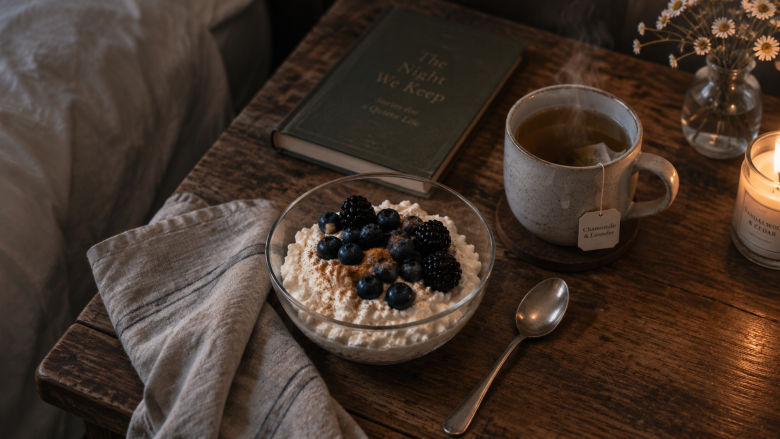
- Cottage cheese (1/2 cup) – Add a few berries for flavor and extra antioxidants.
- Greek yogurt (plain, full-fat) – Mix in a spoonful of nut butter for healthy fat.
- Casein protein powder – If you prefer a shake, mix with water or milk for a thicker texture.
A common mistake is choosing low-fat or non-fat versions. The fat in full-fat dairy actually helps slow digestion further and keeps you full longer. Don’t be afraid of it if you’re not strictly counting calories.
What About a Casein Shake vs. Food?
Both work, but food offers additional nutrients like calcium and probiotics. A shake is more convenient, especially if you’re traveling. I’ve used both. The shake is easier to portion, but I always feel more satisfied after cottage cheese. If you go the shake route, look for a micellar casein powder without added sugar. One scoop (about 30g protein) is enough.
If you’re curious about the exact protein content of your favorite foods, tools like our Oat Protein Calculator can help you plan, but for a simple snack, you don’t need to overthink it.
Weight Loss: Protein That Keeps You Full Without the Calories
When you’re trying to lose weight, the last thing you want is a 500-calorie bedtime snack. But eating nothing can lead to a 2 AM fridge raid. The solution is a snack that’s high in protein and fiber but low in calories.
My go-to for this category is edamame. A cup of shelled edamame has about 17g of protein and 8g of fiber, yet only around 190 calories. The fiber slows digestion, keeping you satisfied without spiking insulin. Hard-boiled eggs are another excellent choice – two eggs provide 12g of protein for about 140 calories.
The Fiber-Protein Combo
Why does fiber matter? It adds bulk to your snack, physically stretching your stomach and triggering fullness signals. It also feeds your gut bacteria, which can influence appetite hormones. That’s why I combine protein with vegetables or whole grains when I need to feel full.
Here are some low-calorie, high-protein options that work:
- Edamame (1 cup) – Sprinkle with sea salt and chili flakes.
- Hard-boiled eggs (2) – Eat the whites and yolks – the yolk has healthy fats.
- Turkey wrap on lettuce – Use 2-3 slices of turkey breast, add mustard, and roll in a large lettuce leaf.
- Cottage cheese (1/2 cup) with cucumber slices – Adds crunch for almost no calories.
The thing nobody tells you about late-night weight loss snacking is that portion control is more important than the food itself. Even a healthy snack can derail your progress if you eat a whole bag of almonds. Pre-portion your snacks right after dinner so you don’t have to think when hunger hits.
Sleep Trouble: The Tryptophan-Carb Connection
If you struggle to fall asleep or stay asleep, your snack should include tryptophan – an amino acid that your body converts into serotonin and then melatonin. But tryptophan can’t cross the blood-brain barrier effectively on its own. It needs carbohydrates to trigger an insulin response that clears competing amino acids from the blood, allowing tryptophan to enter the brain.
That’s why the classic recommendation is a combination of protein and carbs. A banana with almond butter is a perfect example. The banana provides the carbs and potassium, while almond butter adds protein and healthy fat. Or try a small turkey roll-up with a few whole-grain crackers.
My Personal Sleep Experiment
When I first tried a turkey roll-up before bed, I was skeptical. But within a week, I noticed I was falling asleep faster and waking up less during the night. The key is to keep the portion small – too much food before bed can cause indigestion, which disrupts sleep.
Here are some tried-and-true tryptophan-rich snacks:
- Banana with 1 tablespoon almond butter – Around 140 calories, 4g protein.
- Turkey roll-up with 1/2 whole-grain tortilla – Add a slice of cheese for extra protein.
- Glass of warm milk with a dash of cinnamon – Milk contains tryptophan, and the warmth is soothing.
- Greek yogurt with a few berries – The berries add carbs without too much sugar.
Avoid heavy meals or large portions within two hours of bedtime. Your body should be focused on rest, not digestion. If you want a more structured wind-down routine, our guide on how to wind down before bed easily pairs perfectly with a sleep-friendly snack.
Blood Sugar Control: Protein and Fat, No Sugar Spikes
For people with diabetes or insulin resistance, a late-night snack can be a tightrope walk. Too many carbs cause a blood sugar spike; too few can lead to a dangerous drop overnight. The goal is to keep blood sugar stable. Protein and fat are your allies because they slow the absorption of any carbs and provide a steady energy source.
My father is type 2 diabetic, and I’ve learned that the worst thing he can do is eat a large bowl of fruit or a granola bar. Instead, he opts for a small piece of cheese or a handful of nuts. These have virtually no carbs, but they provide enough protein and fat to keep him full until morning.
Snacks That Won’t Spike Your Glucose
- String cheese (1 stick) – About 80 calories, 6g protein, no carbs.
- Almonds or walnuts (1 oz) – Healthy fats and a little protein, but watch portions due to calories.
- Hard-boiled egg with a dash of salt – Simple and effective.
- Half an avocado with a sprinkle of chia seeds – If you want a non-dairy option.
Always check your blood sugar before and after trying a new snack to see how your body responds. Some people can tolerate a few berries, others can’t. The key is to avoid added sugars and refined carbs entirely.
If you’re also counting protein for other goals, you can use a tool like our Guava Protein Calculator to estimate the protein content of less common foods, but for these snacks, the numbers are straightforward.
Protein Supplements Before Bed: Whey vs. Casein and Everything Else
You’ve probably seen influencers chugging a protein shake before bed. Is that actually a good idea? The answer depends on the type of protein. Let’s break down the options.
Whey Protein
Whey is fast-digesting. It spikes amino acids quickly but then fades. If you take it right before bed, you might feel full for an hour, but your muscles won’t get a steady supply through the night. It’s not the worst choice, but it’s not optimal. If you only have whey on hand, mix it with a source of fat, like a tablespoon of peanut butter, to slow digestion.
Casein Protein
Casein is the gold standard for overnight recovery. It forms a gel in the stomach, releasing amino acids slowly over 6-8 hours. This is why cottage cheese and Greek yogurt are so effective – they’re naturally rich in casein. A casein shake is a convenient alternative, but make sure it’s micellar casein, not caseinate.
Plant-Based Proteins
Pea protein is a decent option, but it’s not as slow-digesting as casein. Soy protein is somewhere in between. If you’re vegan, look for a blended protein powder that includes pea and rice for a more complete amino acid profile. You can also eat a plant-based snack like edamame or a tofu-based dish.
What About Collagen or Egg White Protein?
Collagen is great for skin and joints, but it’s not a complete protein – it lacks tryptophan and some essential amino acids. Egg white protein is quick-digesting, similar to whey, so it’s not ideal for overnight. Stick with casein or a whole-food protein source.
The best protein to take before bedtime is casein, either from dairy or a supplement. If you’re lactose intolerant, try a lactose-free casein or opt for a high-protein food like turkey or nuts. The bottom line: choose slow-digesting protein to support your overnight goals.
Common Mistakes and How to Fix Them
Even with the right snack, you can sabotage your efforts. Here are the most common mistakes I’ve seen – and made myself.
Eating Too Much
A bedtime snack should be 150-250 calories, max. Anything larger can disrupt sleep and lead to weight gain. I used to eat a full bowl of Greek yogurt with granola, which was over 400 calories. Now I measure out a half-cup and skip the granola.
Choosing Sugary “Protein” Bars
Many protein bars are candy bars in disguise. They have more sugar than a chocolate bar. Always check the label – aim for less than 5g of sugar per serving. Or better, eat whole food.
Ignoring Hydration
Sometimes thirst feels like hunger. But drinking a glass of water right before bed might make you wake up to pee. Instead, have a small sip, not a full glass. If you’re truly hungry, water won’t help, but it’s worth testing.
Eating Too Close to Bedtime
Aim to eat your snack 30-60 minutes before you lie down. If you eat and immediately hit the pillow, you risk acid reflux and poor sleep quality. Give your body a little time to start digesting.
Not Listening to Your Body
Everyone is different. Some people can eat a hard-boiled egg and sleep fine; others feel bloated. Keep a simple journal for a week. Write down what you ate, how you slept, and how you felt in the morning. That data will tell you more than any generic advice.
Putting It All Together: Your 10 PM Action Plan
Tonight, when hunger strikes, don’t panic. Use the 10 PM Hunger Test:
- Ask: Am I really hungry? If yes, proceed.
- Identify your primary goal: muscle, weight, sleep, or blood sugar.
- Choose a snack from the matching category.
- Keep the portion small and eat 30 minutes before bed.
- Notice how you feel in the morning. Adjust as needed.
This framework turns a nightly dilemma into a simple decision. No more standing in front of the fridge wondering. You now have a personalized answer to the question “What to eat at 10pm when hungry?”.
If you’re still unsure, start with a classic: half a cup of cottage cheese with a few berries. It covers muscle repair, satiety, and even a little sleep support. From there, tweak based on your own experience.
The best protein snack before bed is the one that helps you reach your goals without disrupting your sleep. Now you know how to find it.